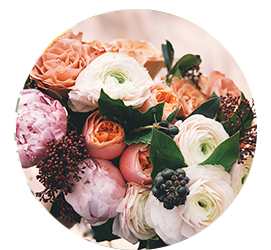
Insider tips to prevent bouquet wilting during Upminster delivery
Posted on 21/10/2026
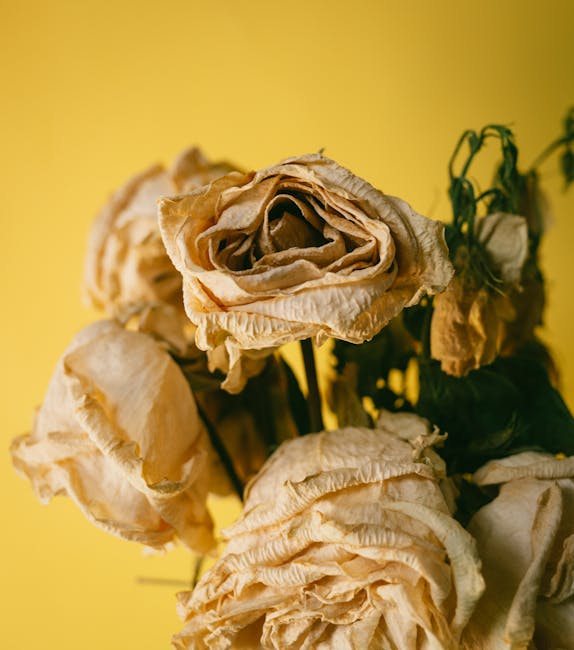
If you've ever sent flowers across Upminster and worried they might arrive looking a little tired, you're not alone. The truth is, bouquet freshness during delivery is not just about the flowers themselves; it's about timing, conditioning, packaging, weather, and the route from florist to doorstep. These insider tips to prevent bouquet wilting during Upminster delivery will help you understand what actually keeps stems perky, petals crisp, and arrangements looking like they've just left the bench. A bouquet can go from gorgeous to floppy surprisingly fast on a warm car seat or in a draughty hallway, so a few smart decisions make a real difference.
Whether you're ordering for a birthday, a sympathy tribute, a wedding, or a simple "thinking of you" moment, the goal is the same: keep the flowers fresh, hydrated, and protected until they reach the recipient. Let's face it, nobody wants roses that look like they've had a rough morning on the District line.
Table of Contents
- Why this matters for bouquet freshness in Upminster
- How delivery keeps flowers from wilting
- Key benefits of getting it right
- Who should use these tips
- Step-by-step guidance
- Expert tips for better results
- Common mistakes to avoid
- Tools, resources and recommendations
- Law, compliance, standards and best practice
- Options and comparison table
- Case study or real-world example
- Practical checklist
- Conclusion
- Frequently asked questions
Why Insider tips to prevent bouquet wilting during Upminster delivery Matters
Fresh flowers are delicate by design. Once they're cut, they start a countdown: less water movement, more sensitivity to heat, and a gradual loss of firmness if conditions are poor. That's why delivery matters so much. A bouquet can be beautifully arranged in the shop, but if it's left in a van too long or packed badly, it may arrive looking limp and disappointed. Nobody wants that.
In a local area like Upminster, delivery timing often has to fit around school runs, commuter traffic, tight residential streets, and unpredictable weather. On a mild day, that can be manageable. On a hot afternoon or a windy winter morning, the margin for error gets smaller. Even a short delay between conditioning the stems and placing them in water can affect quality.
These tips matter because they protect the three things that most often decide whether a bouquet arrives beautifully or wilts early:
- Hydration - flowers need a steady water supply from the moment they're cut and prepared.
- Temperature - heat speeds up moisture loss and shortens vase life.
- Protection - stems, petals, and foliage can be bruised by movement and pressure during transit.
If you're sending flowers for a meaningful occasion, that freshness is part of the message. A crisp bouquet says care. It says thoughtfulness. It says you planned ahead, even if the planning was a bit last-minute. That difference shows.
Expert summary: The best way to prevent wilting during delivery is to combine smart timing, proper stem hydration, cool transport, and secure packaging. One weak link is enough to dull the whole arrangement.
How Insider tips to prevent bouquet wilting during Upminster delivery Works
Preventing wilting is really about reducing stress on the flowers at each stage of the journey. Fresh blooms dislike extremes: too much heat, too little water, too much handling, and too much time sitting around. The better the florist controls those factors, the longer the bouquet stays presentable.
It starts before the flowers leave the shop
Good bouquet care begins with conditioning. That means trimming stems cleanly, removing leaves that would sit below the waterline, placing flowers in clean water, and allowing them to drink before transport. Florists often refer to this as "conditioning," and it's one of the simplest ways to extend vase life. In plain English, the stems are given a proper drink before their trip.
Then the packaging has to do its job
Packaging should support the bouquet without squeezing it. A well-wrapped arrangement stays upright, avoids crushed petals, and keeps moisture where it belongs. Some designs travel better than others. Compact hand-tied bouquets are usually easier to protect than loose, sprawling arrangements with very delicate heads. If there's a vase included, the delivery method needs to account for sloshing and movement.
Delivery timing changes everything
Flowers left in a warm vehicle for an extra hour are under more strain than most people realise. Timing matters even more for same-day flower delivery in Upminster RM14, because the product has less time to recover from preparation before it reaches the recipient. Early delivery windows, shorter vehicle dwell times, and direct routes all help preserve freshness.
The route and handover matter too
Even the final handover counts. A bouquet that sits by a front door in full sun, or in a porch with no airflow, can start fading quickly. A good delivery process aims to get flowers from cool storage to the recipient as directly as possible, with minimal stopping and handling. Simple enough, but easy to get wrong if everyone along the chain is rushed.
So, in practice, wilting prevention is a chain. The bouquet is only as fresh as its weakest moment.
Key Benefits and Practical Advantages
There's more to freshness than appearance. Yes, a perky bouquet looks better in photos, but it also lasts longer, smells fresher, and feels more generous. That matters whether you're sending romantic roses, a mixed seasonal bunch, or something more formal like sympathy flowers.
- Better presentation on arrival - petals stay lifted and colours look richer.
- Longer vase life - the recipient gets more days of enjoyment.
- Less waste - fewer arrangements end up needing quick replacement.
- Improved emotional impact - fresh flowers simply land better, especially for important occasions.
- Fewer complaints or refunds - a bouquet that arrives in good shape is less likely to trigger aftercare issues.
There's also a practical side if you're ordering for work, events, or family occasions. Reliable freshness means less worry. You can focus on the moment itself rather than wondering whether the bouquet will hold up through the day. That peace of mind is worth quite a lot, honestly.
For people comparing options, freshness controls are often a sign of overall service quality. A florist who pays attention to hydration and packaging usually cares about the rest too: substitutions, delivery windows, and aftercare support.
Who This Is For and When It Makes Sense
These tips are useful for almost anyone sending flowers, but some situations really do benefit more than others.
- Busy gift buyers who want the bouquet to arrive looking polished without having to micromanage the process.
- Same-day senders who need the flowers prepared, packed, and delivered quickly.
- Event planners arranging flowers for a venue, home, or workplace in or around Upminster.
- Customers sending emotional gifts where freshness affects the message, especially sympathy or get-well flowers.
- Anyone ordering in hot weather or during peak delivery periods when delays are more likely.
It also makes sense if you're choosing between different bouquet styles. A big, open-headed arrangement can be stunning, but it may need more careful handling than a compact hand-tied bouquet. If the recipient won't be home immediately, you may want a delivery style that's less fragile and easier to refresh once received.
To be fair, not every bouquet needs the same level of protection. A sturdy bunch of carnations behaves differently from lilies or hydrangeas. Knowing that helps you choose better, not just buy faster.
Step-by-Step Guidance
If you want to prevent bouquet wilting during delivery, a simple system works better than guesswork. Here's the process that tends to give the best results.
- Choose flowers suited to transport. If you need maximum resilience, go for varieties known to travel well, such as carnations, chrysanthemums, alstroemeria, or some mixed florist's-choice designs. Delicate blooms can still work, but they need more care.
- Pick the right delivery speed. If freshness is critical, same-day or next-day delivery is often better than letting flowers sit overnight in uncertain conditions. If you're planning well ahead, confirm when the bouquet will actually be made up, not just when it will arrive.
- Ask for proper conditioning. The stems should be freshly cut, clean, and placed in water before dispatch. If the bouquet is being made to order, that's a good sign the arrangement hasn't been sitting around for days.
- Make sure the packaging protects the stems. The bouquet should be secured so it doesn't flop about in transit. Wrapping should support the arrangement, not crush it.
- Control the temperature. Keep the flowers out of direct sun, away from heaters, and out of a hot car whenever possible. Even a few degrees can matter more than people expect.
- Plan for the recipient's schedule. If possible, choose a delivery slot when someone is likely to be home. A bouquet left in an unsuitable place can lose freshness quickly, especially in summer or windy weather.
- Refresh quickly on arrival. If the bouquet is being handed over to someone at work or at an event, it should get into water as soon as practical. Trim stems again if needed, and use a clean vase.
Here's a simple way to think about it: the shorter the time between conditioning and water at the destination, the better. That's the whole game, really.
Expert Tips for Better Results
Now for the stuff people often miss. These are the little details that make a bigger difference than you'd think.
1. Go for a bouquet with good stem structure
Flowers with firmer stems generally handle transport more reliably. If you're sending something loose and airy, it may need extra support. A florist can often advise whether a bouquet design is better for short transit or for a longer wait before it's displayed.
2. Ask for seasonal flowers when freshness is the priority
Seasonal blooms are often better suited to local conditions because they're more naturally available and usually don't need to be pushed as hard through the supply chain. That doesn't mean imported flowers can't be gorgeous - they can - but if your main goal is durability, seasonal selection is worth considering.
3. Avoid over-delicate add-ons during hot spells
Extra embellishments can sometimes make a bouquet more fragile in transit. If the weather is warm, simpler often wins. It's not glamorous advice, but it works.
4. Use a florist who understands delivery windows
There's a real difference between a shop that prepares flowers and a florist that actively manages freshness for delivery. Look for clear delivery guidance, care advice, and sensible cut-off times. If the business also offers a clear flower care guide, that's a good sign they think beyond the sale.
5. Time the delivery around heat and traffic
In summer, earlier deliveries are usually kinder to flowers than late afternoon drops. In colder weather, you still want to avoid long vehicle waits, especially if the bouquet is being delivered to a porch or lobby area with low temperature control. Timing sounds boring, but it is often the difference between crisp petals and droopy edges.
6. Match the bouquet style to the occasion
For example, a polished gift bouquet for a birthday may benefit from a compact design, while a wedding bouquet or table arrangement may need a more structured setup. If you're browsing options like birthday flowers in Upminster RM14 or even a more formal wedding flowers selection, the right structure helps the flowers survive the journey looking their best.
A small practical note: if the bouquet will be delivered to an office, avoid anything likely to shed too much pollen or look overly soft by midday. People notice these things. They do.
Common Mistakes to Avoid
Most wilting problems are avoidable. The trouble is that people often make the same few mistakes, especially when ordering quickly.
- Ordering too early for a heatwave day and expecting the bouquet to sit around without stress.
- Choosing a style that is too delicate for the delivery conditions, especially if it includes very open blooms or water-heavy stems.
- Ignoring delivery timing and assuming all slots are equal.
- Leaving flowers in a warm hallway or car after delivery instead of getting them into water.
- Using a vase that has not been properly cleaned, which can shorten vase life more than many people realise.
- Forgetting to trim stems again when the bouquet arrives after a longer trip.
- Not asking about substitutions when a chosen bloom is unavailable. A good replacement may be better than forcing a tired alternative.
One more common mistake: people sometimes choose the cheapest option and then expect top-tier freshness in difficult weather. Cheap does not automatically mean poor, but it can limit the level of conditioning or packaging that's possible. If freshness is the priority, the delivery method matters as much as the price tag.
Tools, Resources and Recommendations
You do not need a laboratory setup to keep flowers fresh. A few simple tools and habits go a long way.
| Tool or resource | Why it helps | Best used for |
|---|---|---|
| Clean vase | Reduces bacteria and supports better water uptake | All bouquet types |
| Sharp scissors or floral snips | Gives a clean cut without crushing stems | Initial prep and post-delivery refresh |
| Fresh, cool water | Keeps stems hydrated and slows stress | Immediate bouquet care |
| Flower food, if provided | Supports the water balance and can extend vase life | Most gift bouquets |
| Cool indoor space | Slows dehydration before display | Delivery days, especially in warm weather |
| Delivery guidance from the florist | Helps you choose the right time and format | Same-day and time-sensitive orders |
If you are comparing providers, it can also help to look at service pages that explain the delivery process clearly, such as delivery information and guarantees. Those pages don't replace common sense, but they do tell you how much the florist values punctuality and condition on arrival.
And if you need a local team rather than a random online basket of petals and hope, a straightforward florist in Upminster RM14 can usually advise which bouquet styles travel best for your exact occasion.
Law, Compliance, Standards, and Best Practice
For flower delivery, there usually isn't a complex legal issue around bouquet freshness itself, but good business practice still matters. A reputable florist should be clear about delivery terms, substitutions, refunds where appropriate, and privacy handling when taking orders. If you're sending flowers for a workplace, event venue, care setting, or funeral service, you may also need to think about access rules, timing restrictions, and the preferences of the recipient or venue staff.
On a practical level, best practice usually looks like this:
- Clear delivery expectations - what time window the order may arrive in.
- Reasonable substitutions - if a bloom is unavailable, the replacement should suit the original colour palette and value.
- Handling care - flowers should not be left exposed longer than necessary.
- Transparent aftercare advice - recipients should know how to refresh and maintain the bouquet.
- Respect for access instructions - useful for flats, gated properties, offices, and venues.
If you are ordering for a sensitive occasion, such as sympathy flowers or a memorial tribute, extra care matters even more. These arrangements are often handled in stages and may need to remain fresh through a service and beyond. That's why careful selection and proper conditioning are not just a nice touch; they're part of the service.
For buyers, the most sensible approach is simple: read the ordering information, ask questions where needed, and choose a florist who can explain how they keep flowers in good condition. It's not fancy compliance talk. It's just honest service.
Options, Methods, or Comparison Table
Different bouquet formats and delivery approaches have different strengths. If your goal is to prevent wilting, it helps to choose the method that fits the moment rather than picking blindly.
| Option | Freshness protection | Best for | Things to watch |
|---|---|---|---|
| Same-day delivery | High, if prepared and dispatched quickly | Last-minute gifts, birthdays, apologies | Cut-off times and busy periods |
| Next-day delivery | High, with good preparation | Planned gifting and reliable scheduling | Flowers still need careful storage overnight |
| Flowers by post | Variable; depends on packaging and transit time | When the recipient can accept a parcel delivery | Can be more exposed to handling and waiting time |
| Hand-delivered bouquet | Often strongest for presentation | Local gifts and time-sensitive occasions | Depends on route planning and recipient availability |
| Vase arrangement | Good once set up properly | Recipients who want ready-to-display flowers | Needs secure transport and stable water handling |
In many real situations, a hand-delivered bouquet is the cleanest solution because it shortens the chain between florist and recipient. But if the recipient is unlikely to be home, a parcel-style option may still be practical. It really comes down to what will let the flowers reach water quickly and safely.
Case Study or Real-World Example
Here's a realistic example from a fairly typical Upminster order. A customer wanted to send a bright mixed bouquet for a birthday, with delivery timed for early afternoon. The weather was mild, but the recipient was in a busy household and likely to be out briefly around the expected delivery window.
The florist chose a compact mixed arrangement with sturdy seasonal stems, conditioned the flowers before dispatch, and packed them in a way that supported the heads without crushing them. The delivery was scheduled earlier in the day, which meant the bouquet spent less time in transit and less time waiting in the vehicle.
When the flowers were received, the recipient placed them straight into a clean vase with fresh water. They looked perky, the petals were open but not over-open, and the bouquet still had that just-picked feel. Nothing dramatic, no magic trick. Just a sensible sequence of small choices.
Now compare that with the opposite version, because that happens too: same bouquet, but delivered late in the day after sitting in a warm van, then left on a windowsill. The flowers may still be lovely, but they're more likely to droop sooner. It's not a failure, just a missed opportunity.
The takeaway is simple. Freshness is usually protected by ordinary discipline, not special equipment. And that's good news, because ordinary discipline is easier to repeat.
Practical Checklist
Use this quick checklist before you place the order and again when the bouquet arrives.
- Choose a florist that explains delivery clearly.
- Confirm the delivery timing window.
- Pick a bouquet style suited to travel.
- Ask about same-day or next-day handling if freshness matters.
- Keep the flowers out of heat and direct sun on arrival.
- Trim stems and remove any leaves below the waterline.
- Use a clean vase with fresh, cool water.
- Refresh water regularly if the bouquet is staying on display.
- Check whether the recipient can receive the bouquet promptly.
- Keep packaging on briefly if it helps support the stems during first transfer.
If you want the safest possible route, combine this checklist with a careful delivery choice and a well-conditioned bouquet from the start. That one-two approach does most of the heavy lifting.
Conclusion
Preventing bouquet wilting during delivery is really about giving flowers the best possible journey, not just the best possible design. Choose sturdy blooms when needed, keep the timing tight, make sure the stems are conditioned, and protect the bouquet from heat and rough handling. Those are the real insider tips to prevent bouquet wilting during Upminster delivery, and they're simple enough for anyone to use.
When you get those basics right, the bouquet arrives with its colour intact, its shape intact, and its mood intact too. That matters more than people admit. Fresh flowers carry emotion, and a fresh-arriving bouquet does that job properly.
If you're sending flowers in Upminster and want to make the safest, freshest choice, look for a florist who explains the process clearly and respects the little details. Little details matter here. They really do.
Get a free quote today and see how much you can save.
And if you do send that bouquet, may it arrive bright, beautiful, and exactly as you hoped - the kind of delivery that makes someone stop, smile, and feel properly thought of.
Frequently Asked Questions
How do I stop flowers wilting before delivery in Upminster?
Keep the bouquet conditioned, hydrated, and cool right up to dispatch. The main things that help are freshly cut stems, clean water, minimal waiting time, and protective packaging that stops the flowers from being crushed or overheated.
Is same-day flower delivery better for freshness?
Often, yes. If the bouquet is prepared and delivered quickly, it spends less time exposed to changing temperatures and less time out of water. That said, same-day only works well if the florist manages the timing properly.
What flowers last best during delivery?
Sturdy flowers such as carnations, chrysanthemums, alstroemeria, and many mixed florist's-choice bouquets tend to travel well. More delicate blooms can still be delivered successfully, but they need extra care and a sensible route.
Does warm weather make bouquet wilting worse?
Definitely. Heat speeds up moisture loss and can soften petals more quickly. On warmer days, earlier delivery, cooler storage, and reduced transit time become even more important.
Should I choose flowers in a vase to prevent wilting?
A vase arrangement can help once it arrives, especially if the recipient can leave it in place right away. However, the vase still has to travel safely, so secure packing is essential. It's not automatically the safer choice for every order.
How important is the delivery window?
Very important. A shorter, clearer window usually means less time in transit and less chance of flowers sitting around in a vehicle. If freshness is a priority, ask for the earliest practical slot.
Can flowers survive if the recipient is not home?
Sometimes, yes, but it depends on where they are left. A sheltered shaded spot is better than a hot porch or exposed doorstep. If the bouquet will wait, the delivery instructions should be as specific as possible.
What should I do when the bouquet arrives?
Unwrap it carefully, trim the stems if needed, and place it in a clean vase with fresh water as soon as you can. Remove any leaves below the waterline because they can spoil the water faster.
Do cheaper bouquets wilt faster?
Not necessarily, but budget options may have fewer premium packaging or design features that support freshness during transit. If the route is short and the flowers are well conditioned, a lower-cost bouquet can still arrive in good shape.
Are flowers by post riskier than hand delivery?
They can be, simply because parcel journeys may involve more handling and waiting time. That does not mean they are a bad option, but the packaging and transit method need to be very well thought out.
What is the best way to store flowers before gifting them?
Keep them cool, away from direct sunlight, heaters, and draughts. Leave them in water if possible and avoid placing them near fruit, which can speed up ageing in some flowers. A calm, cool room is usually ideal.
How do I choose a florist who cares about freshness?
Look for clear delivery information, practical flower care advice, sensible substitution policies, and a straightforward ordering process. A florist who explains how they handle stems and transport is usually one worth trusting.